


ATTENTION, PHASE 3 WATER SHORTAGE declared by Southwest Florida Water Management District. Learn more.



Water Conservation
Water conservation is necessary for Lakeland to meet its future water needs. Water conservation may only come to mind during a drought, but using water efficiently year round, even during wet times, means there will be more water available during droughts.
Water Conservation Benefits:
- More can share a limited water supply
- Far less expensive than treating lake or sea water (keeps water rates down)
- Saves money for anyone who puts it into practice.
What about the lake water?
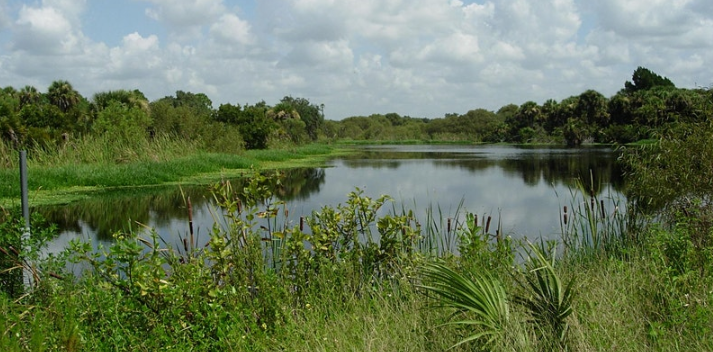
We have abundant water in the lakes here in Lakeland, but our lake water supports important ecological resources and natural beauty that we don’t want to impact or lose. The amount of lake water available is unreliable since it depends on the climate.
Lake water is also much more expensive to treat than groundwater, and is vulnerable to pollution and evaporation.
Water Shortages
On April 3, 2026, a Phase III Water Shortage per Rule 40D-21 was declared by the Governing Board of the Southwest Florida Water Management District. Florida received below average rainfall during the summer rainy season and, as of March, has over a 13-inch rainfall deficit compared to the historical average 12-month total. Water levels in the region's aquifers, rivers, and lakes are declining. Public water supplies in the the Tampa Bay area are lower than expected at this time of year.
Lakeland gets its water from the Upper Floridan Aquifer, which is a body of very clean water deep underground. This groundwater is replaced by the rain at a very slow rate. Projections show that at the current rate of use, the aquifer will not meet our water needs through 2035, so it is very important that we do as much as possible to cut back on the water that we use. The Southwest Florida Water Management District created year-round lawn watering restrictions of only two days per week, however due to the current hydrological status, a modified one-day-per-week irrigation schedule has been put into place. These restrictions are designed to help make our water supply last.
Over-pumping the aquifer can lead to:
- Declining water availability for general health and fire protection
- Salt water contaminating the fresh water aquifer
- Sink holes
Ways You Can Help Conserve Our Water Supply
- Follow the mandatory watering schedule:
Water is limited to one day per week, based on the last digit of the address:
0 or 1: Monday
2 or 3: Tuesday
4 or 5: Wednesday
6 or 7: Thursday
8 or 9: FridayExample: 123 Save Water Street would only water on Tuesday
*Properties without a discernible address, such as neighborhood entryways and common areas, may water on Friday only.
Properties under 1 acre in size- Before 4 a.m. or After 8 p.m., but not both.
Properties greater than 1 acres in size- Before 4 a.m. and after 8 p.m., if needed. - Water in the morning or evening to minimize evaporation and disease.
- Disease and yellowing occur when applying too much water to grass.
- Check irrigation times and rain sensors every 6 months.
- Replace grass with drought-resistant ground cover, shrubs and trees. These plants require little to no watering or maintenance.
- Replace toilets installed before 1995. New toilet models use significantly less water.
- Hand water grass and plants only when needed instead of using an irrigation system.
- Replace grass and other water-hogging plants with beautiful Florida-Friendly landscaping. Here is a link to the Florida-Friendly Landscaping resources.