





If your water pressure suddenly drops or you lose water service during a storm, contact Water Distribution at (863) 834-4248 to report the issue. As a precaution, boil all water used for drinking and cooking for at least one minute until service is restored and any necessary Boil Water Notices are lifted. Continue to monitor the City of Lakeland Water Utilities website and official communication channels for updates.
ATTENTION, PHASE 3 WATER SHORTAGE declared by Southwest Florida Water Management District. Learn more.
Phase 3 Water Shortage Declared by Southwest Florida Water Management District
Extended until March 31, 2027
LakelandGov.Net/Irrigation
main content
How is Water Utilities Preparing for a Hurricane?
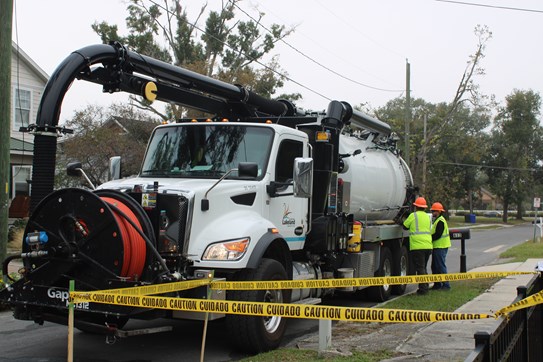
City of Lakeland Water Utilities prepares year-round to provide reliable water and wastewater services before, during, and after a hurricane. Across our six divisions staff inspect facilities, test backup equipment, secure critical infrastructure, coordinate emergency response efforts, and prepare crews to respond quickly to storm impacts and restore service safely.
Hurricane Preparation Tips:
Drinking Water
- Store enough drinking water for each member of your household (at least one gallon per person per day for several days).
- Fill clean containers with tap water before the storm in case water service is temporarily interrupted.
- Know how to receive Boil Water Notices by ensuring your contact information is up to date with your utility and signing up for emergency alerts.
Wastewater & Sewer
- Limit water use before, during, and after the storm to help reduce strain on the wastewater system.
- Only flush the 3 P's: pee, poop, and toilet paper. Never flush wipes, paper towels, feminine hygiene products, or grease, especially during storm events.
- Do not pour fats, oils, or grease down the drain, as they can contribute to sewer backups. Click here for how to properly dispose of them.
Irrigation & Outdoor Water Use
- Turn off your irrigation system before the storm and secure above-ground components.
- Disconnect rain barrels from gutters and move empty barrels to a secure location.
- Inspect your irrigation system after the storm for leaks, broken sprinkler heads, or damaged pipes before turning it back on.
- Delay irrigation after heavy rainfall since landscapes typically receive enough water naturally.
After the Storm
- Check for leaks after the storm, both inside and outside your home, before resuming normal water use.
- Follow any Boil Water Notices until they are officially lifted.
- Help reduce strain on the wastewater system by limiting water-intensive activities, such as long showers, laundry, and dishwashing, while crews restore service and assess infrastructure.
- Stay away from flooded utility equipment, including lift stations, manholes, damaged hydrants, and broken water lines.
For more hurricane preparation tips across Lakeland, click here.
Hurricane FAQs: